
Clara Lehmann · 10 September 2026
Uncovering Hidden Patterns in Customer Preferences for Eco-Friendly Flower Packaging Solutions
Market analysts track rising demand for sustainable options in the floral industry where packaging choices now reflect broader shifts toward reduced environmental impact, and data from multiple regions shows customers increasingly favor materials that minimize waste while maintaining product freshness. Researchers at institutions across North America and Europe have examined purchasing records from 2023 through 2025, revealing consistent preferences that go beyond surface-level claims about recyclability.
Patterns emerge when analysts break down preferences by demographic groups and purchase frequency. Younger buyers aged 25 to 34 demonstrate stronger selection rates for packaging made from agricultural byproducts such as hemp fiber or mushroom-based composites, whereas older segments prioritize compostable plastics derived from corn starch. These distinctions appear in sales data compiled by trade associations in the United States and Canada, where repeat customers show loyalty to brands that disclose full supply chain details rather than generic green labels.
Regional Data Trends and Material Preferences
European Union statistics released ahead of updated packaging regulations indicate that consumers in Germany and the Netherlands select kraft paper wraps with water-based inks at rates 40 percent higher than traditional cellophane alternatives, and similar figures appear in Australian market reports covering the same period. Observers note that buyers respond positively to packaging that incorporates seed-embedded elements allowing secondary use as garden starters, a feature documented in case studies from floral wholesalers operating in both urban and rural markets.
September 2026 marks the scheduled release of expanded datasets from the Environmental Protection Agency that will track post-consumer recovery rates for floral packaging specifically, and preliminary summaries already suggest correlations between transparent labeling and higher repurchase intent. Those who have reviewed early findings point to measurable differences when packaging includes QR codes linking to verified composting instructions versus simple recycling symbols.
Behavioral Insights from Recent Studies
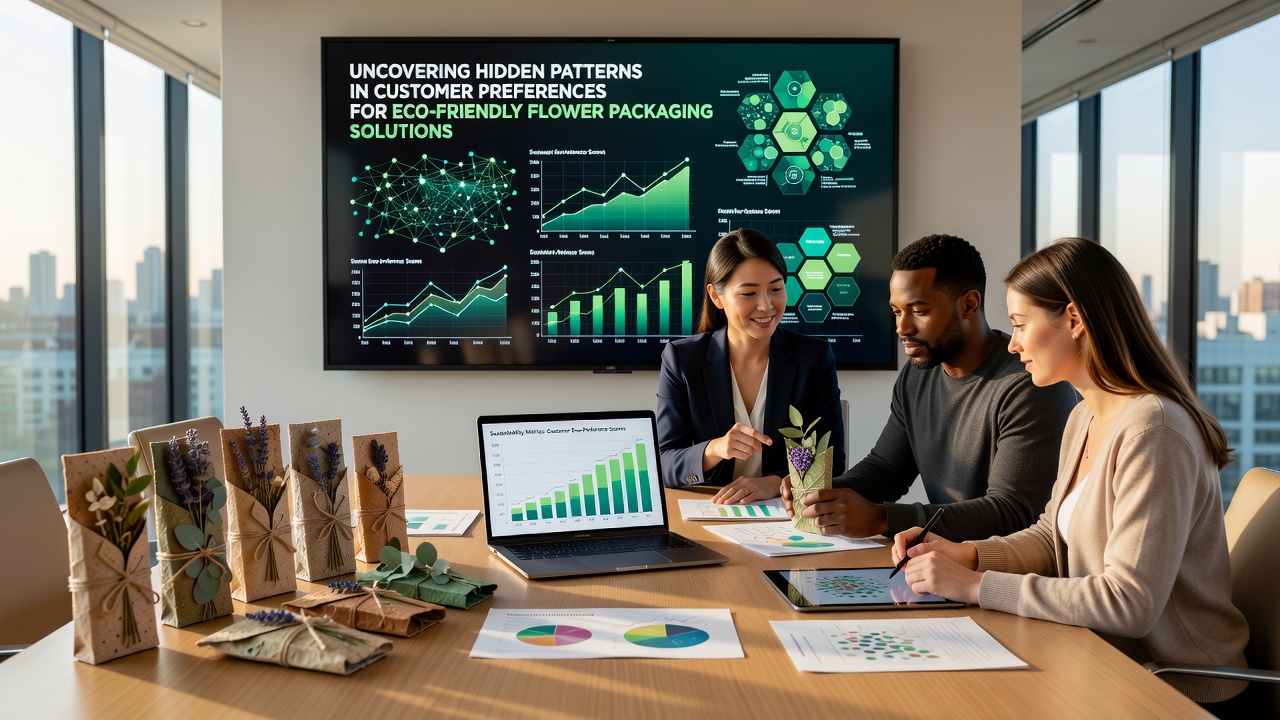
University-led surveys conducted in collaboration with industry partners have identified subtle decision factors that influence choices at the point of sale. Shoppers demonstrate faster selection times when packaging features muted earth tones compared with bright synthetic colors, and this holds across multiple retail formats including online platforms and physical stores. Data indicates that tactile qualities such as matte finishes over glossy surfaces correlate with perceptions of authenticity even when material composition remains identical.
One analysis of transaction logs from major floral delivery services found that customers who opt for minimal packaging designs report higher satisfaction scores when flowers arrive without excess cushioning, provided protective elements still prevent damage during transit. Researchers discovered that this preference strengthens when brands communicate the reduction in material volume through concise on-pack messaging rather than lengthy sustainability reports.
Additional patterns surface in subscription-based models where recurring buyers gradually shift toward fully home-compostable options after two or three deliveries. Figures from Canadian agricultural research groups reveal that these transitions occur more frequently among households already participating in municipal composting programs, suggesting prior behavior influences packaging adoption rates.
Supply Chain and Design Influences
Design teams at packaging manufacturers have adjusted production based on feedback loops from retailers who share anonymized customer data. This has led to increased use of modular inserts that adapt to various bouquet sizes without requiring multiple stock-keeping units, a change that reduces inventory waste according to internal reports from suppliers serving European and North American markets. The reality is that such efficiencies also lower shipping weights, which in turn affects carbon accounting metrics tracked by logistics providers.
What's interesting is how seasonal variations affect these patterns. Peak periods around holidays show temporary spikes in demand for protective yet recyclable cushioning, while off-peak months see steadier uptake of lightweight wraps. Industry organizations monitoring these cycles note that predictive modeling improves when historical sales data incorporates weather-related purchase shifts alongside preference metrics.
Conclusion
Comprehensive examination of available datasets demonstrates that customer preferences for eco-friendly flower packaging follow identifiable patterns tied to material type, visual cues, and prior environmental behaviors. Continued collection of recovery and satisfaction metrics, including updates expected in September 2026, will allow further refinement of these observations across different geographic markets.