Viktor Neumann · 24 September 2026
Shifts in Supply Chain Logistics for Perishable Goods Within Niche Horticultural Markets
Supply chains handling perishable horticultural goods have experienced measurable changes in recent years particularly within niche segments that include specialty orchids, microgreens, and rare tropical fruits where temperature control and timing determine product viability and researchers continue to track improvements in delivery consistency across multiple regions. Data from agricultural monitoring programs show that spoilage rates for certain high-value crops dropped by measurable percentages between 2023 and 2025 as operators adopted sensor-based tracking and adjusted routing protocols to account for variable weather patterns.
Adoption of Real-Time Monitoring Technologies
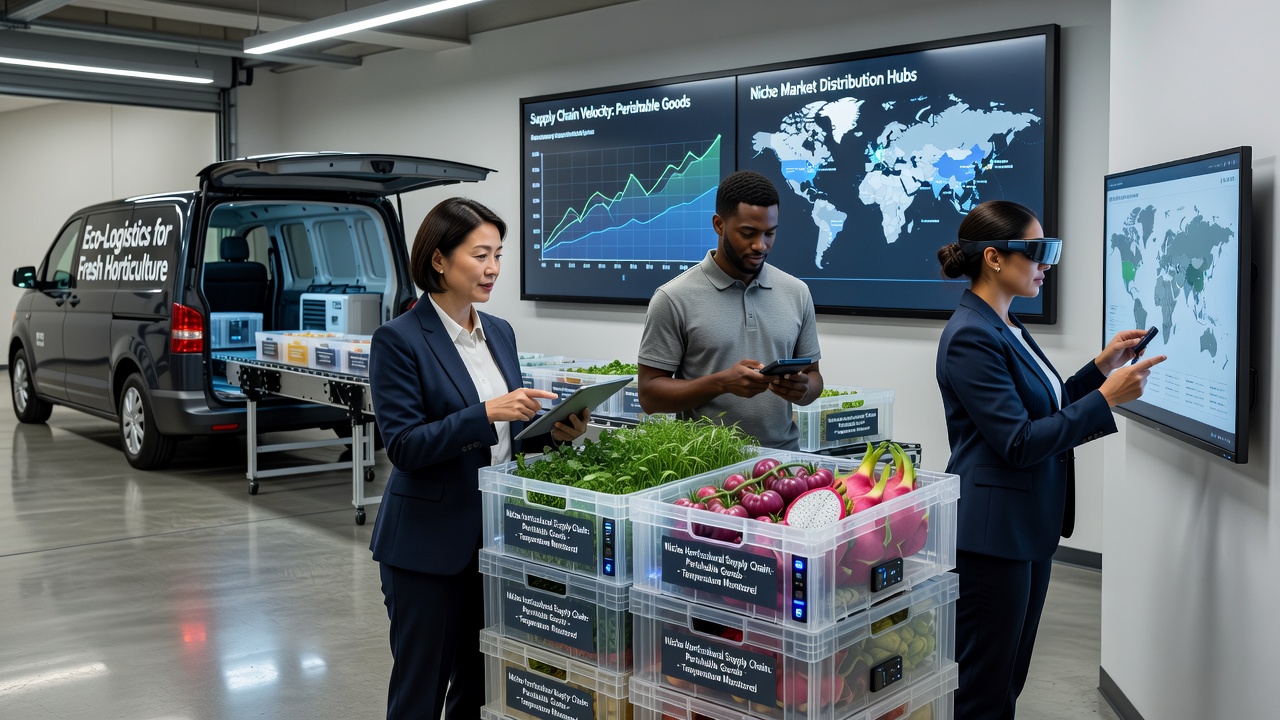
Operators in niche horticultural markets have integrated Internet of Things devices into refrigerated containers and storage facilities allowing continuous collection of temperature, humidity, and ethylene levels while these systems transmit alerts to logistics teams that can intervene before quality thresholds are breached and studies conducted by university research groups indicate that such interventions have extended shelf life for delicate produce by several days on average. In September 2026 several mid-sized exporters in North America and Southeast Asia reported full implementation of blockchain-linked sensor networks that record every transfer point from farm to retailer creating verifiable audit trails that buyers in premium markets now require as standard practice.
Those who manage logistics for perishable flowers and herbs note that predictive analytics software now forecasts demand fluctuations with greater accuracy than earlier spreadsheet models and this capability allows carriers to consolidate loads more efficiently thereby reducing empty backhauls that once contributed to higher per-unit costs. Figures released by the United States Department of Agriculture reveal that optimized routing in horticultural corridors lowered fuel consumption by approximately 12 percent in key growing districts during the 2025 fiscal year.
Regulatory Adjustments and Cross-Border Procedures
Updated phytosanitary requirements from multiple jurisdictions have prompted changes in packaging and inspection sequences for niche horticultural shipments and carriers must now coordinate pre-clearance inspections at origin points rather than at destination ports in many cases which shortens overall transit times for time-sensitive items such as cut flowers and fresh herbs. The European Commission published revised guidelines in early 2026 that emphasize electronic documentation and harmonized temperature logging formats accepted across member states thereby reducing administrative delays that previously affected smaller exporters disproportionately.
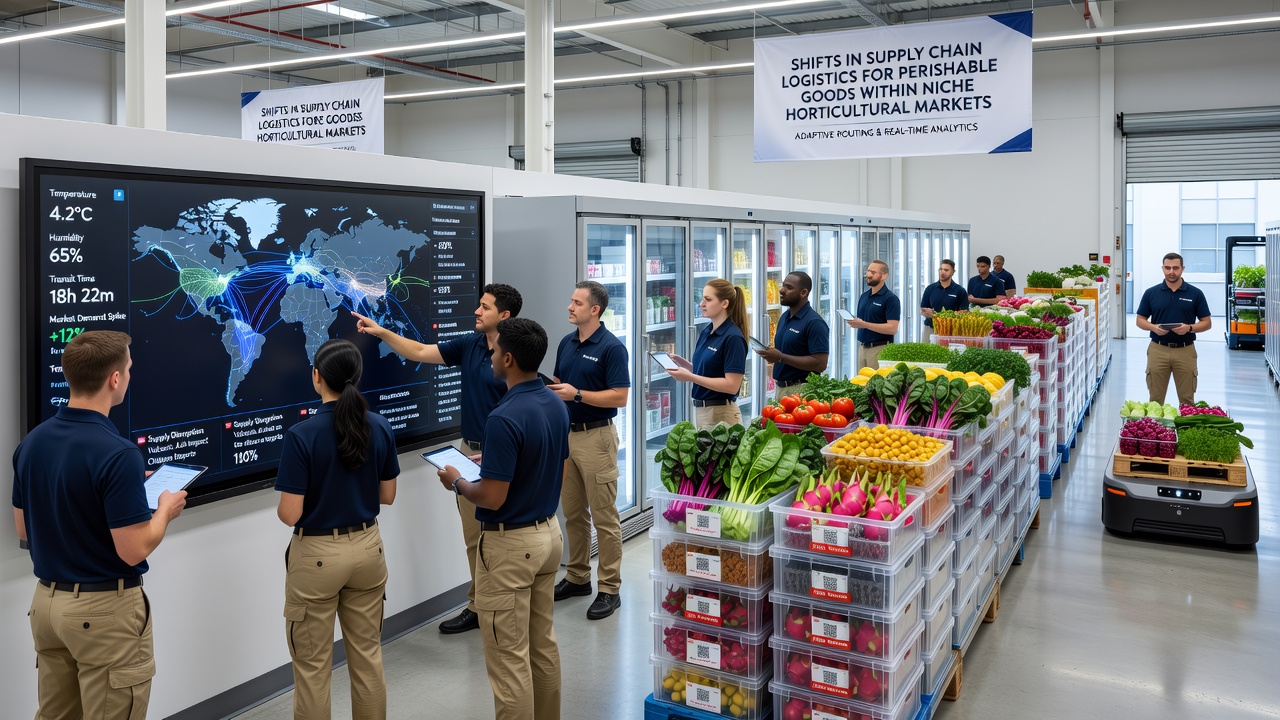
Observers in Australia and Canada have documented similar shifts toward digital certification systems that integrate with existing cold-chain platforms and these changes allow perishable goods to move through customs with fewer physical checks when data streams confirm compliance throughout the journey. Research indicates that such streamlined procedures have supported growth in direct-to-consumer channels for specialty produce that previously faced prohibitive lead times.
Sustainability Measures and Route Optimization
Logistics providers serving niche horticultural markets have begun testing lower-emission transport modes including hybrid refrigerated trucks and consolidated sea-air combinations that balance speed with reduced carbon output and data compiled by the Food and Agriculture Organization of the United Nations shows measurable declines in emissions intensity for selected flower and vegetable corridors since 2024. Companies have also introduced reusable insulated containers equipped with phase-change materials that maintain required temperatures without continuous refrigeration during shorter segments thereby cutting energy use while preserving product integrity.
Route planners now incorporate real-time traffic, port congestion, and weather data into algorithms that reroute shipments around potential delays and this dynamic approach has proven especially useful for markets handling fragile items such as orchids and fresh herbs where even brief exposure to suboptimal conditions can reduce market value. Analysts tracking these developments report that the combination of technological and procedural adjustments has produced consistent improvements in on-time delivery metrics across several continents.
Conclusion
Collectively these developments illustrate how supply chain logistics for perishable goods in niche horticultural markets continue to evolve through integrated technology, updated regulatory frameworks, and sustainability initiatives that address both operational efficiency and product quality requirements. As monitoring systems, digital documentation, and optimized routing become standard practice further refinements are expected to support expanded trade in specialty crops while maintaining the narrow environmental conditions these goods demand.